Re-Roofing Over Old Tile or Spaced Boards in Santa Clarita
Re-roofing a Santa Clarita home that has old tile on top, or spaced board decking underneath, follows a specific set of city rules. This guide covers them for Valencia owners; for your own roof, call (661) 320-6955.
The rules below come from Santa Clarita’s residential reroofing information sheet, which also cites sections of the California Building Code. Confirm the current version with Building & Safety before work begins.
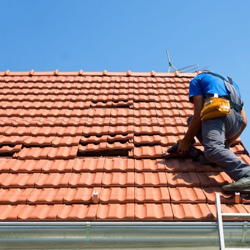
Yes, if it is sound. Whole slate, clay or cement tiles can go back on; any that are damaged, cracked or broken have to be replaced. The same handout keeps rusted or damaged vent flashing, metal edging, drain outlets and counter-flashing off the new roof, and bars reusing aggregate surfacing.
Reused tile goes directly on wood structural panel sheathing, and the handout allows no more than one layer of tile roofing.
What are spaced boards, and why does the city care?
Spaced board decking is a row of planks laid with gaps between them, common under older roofs. Where a tear-off exposes it, the city requires the roof diaphragm to be reinforced with new wood structural panel sheathing. The diaphragm is the roof deck acting as one stiff plane that helps the house resist shaking and wind.
The panels can go over the old boards, or the boards can be removed without structural damage and the panels fastened straight to the rafters.
At least 15/32-inch or 7/16-inch CDX plywood, a construction grade made with exterior glue, or exterior grade OSB, oriented strand board.
If existing 3/8-inch plywood is found, no added panels are required.
Panels laid perpendicular to the rafters.
Edges parallel to the boards lapping at least 1½ inches onto them.
No panel narrower than 2 feet, and each spanning at least three joist spaces.
Why can heavier tile need structural calculations?
An engineer or architect may be required to prepare structural calculations or plans in two cases:
The new covering, plus any old covering left in place, weighs more than seven pounds per square foot.
The new roof is heavier than the one removed.
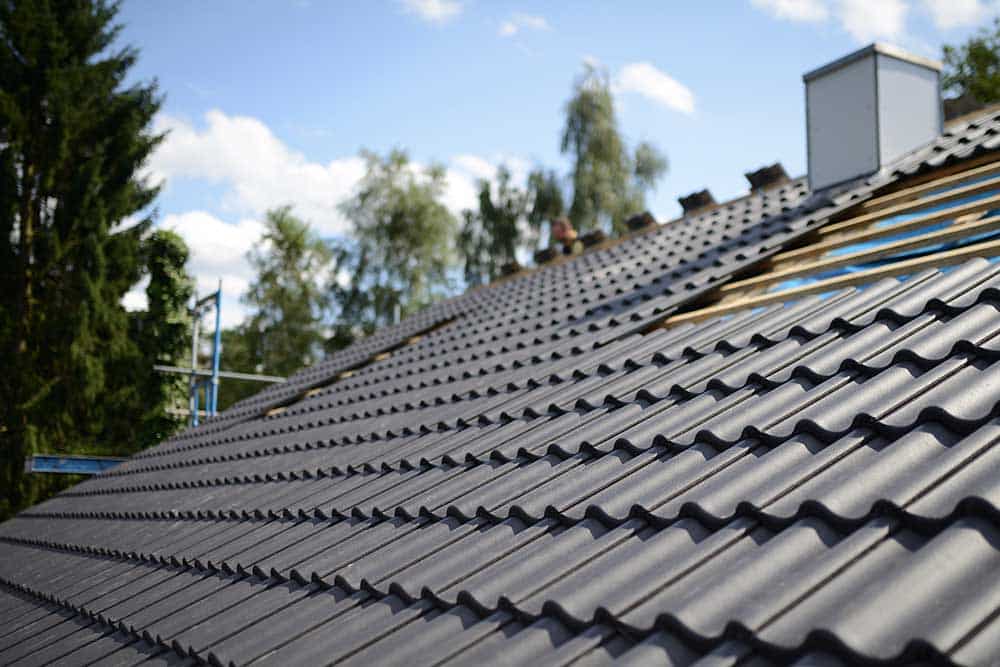
Panels added over board decking count toward that limit. The handout puts 15/32-inch plywood at about one and a half pounds per square foot, so swapping a light tile for a heavy one over new panels can tip the balance.
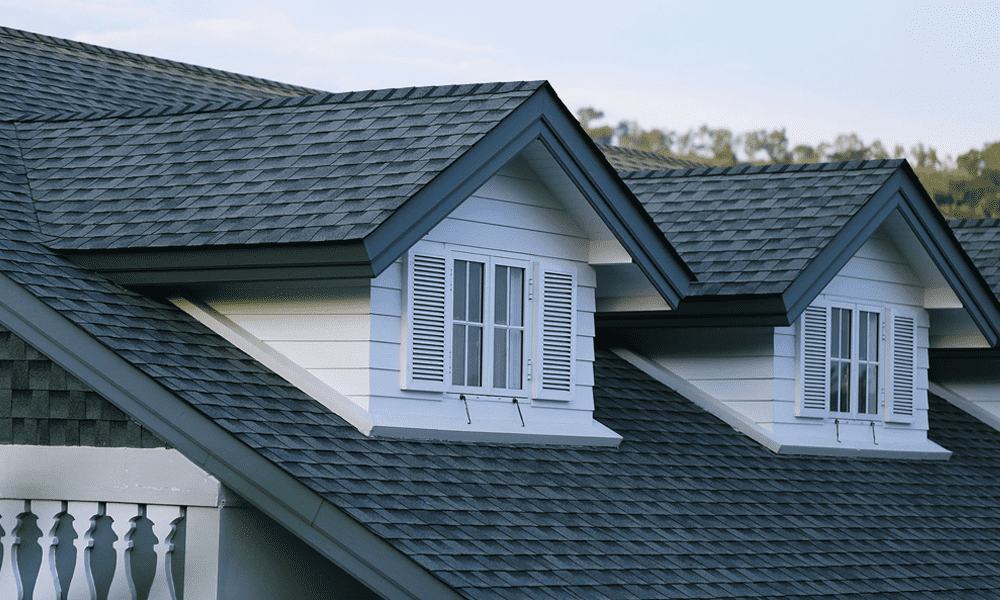
For composition shingles, sometimes. New shingles may go directly over an existing covering in reasonably sound condition, as long as that covering is not wood shakes, wood shingles, slate, clay or asbestos cement tile.
A roof may carry at most two layers of composition shingles, and curled edges have to be removed first. Cap sheet follows a similar pattern on homes, also with a limit of two layers.
What should an estimate for this kind of reroof include?
A full tear-off line for any tile, slate or wood roof.
How sound tile will be sorted, stored and reset, and how cracked pieces will be replaced.
A sheathing line in case spaced boards turn up.
The weight of the new tile compared with the old roof.
The permit and the city inspections, including the sheathing nail inspection.
Who can help with an old tile reroof in Santa Clarita?
We sort and reset sound tile, add panel sheathing where the city calls for it and meet the inspector at each stage. Call (661) 320-6955 to set up a visit.